
When Chasing Comfort Becomes a Problem
The greatest human desire is comfort. This is behind health, wealth, connection, a sense of safety, and the illusion of happiness.

With that knowledge, is it possible that a superpower for you to stand out might be to learn how to be uncomfortable, at least for short periods of time?
Not because comfort is bad.
But because I have noticed something in myself. When I chase comfort as the default setting, I notice:
My tolerance for friction gets lower
My preferences get more specific
I spend more energy managing conditions than living inside them
And that is where the question of being “high maintenance” starts to feel less like a personality trait, and more like a pattern.
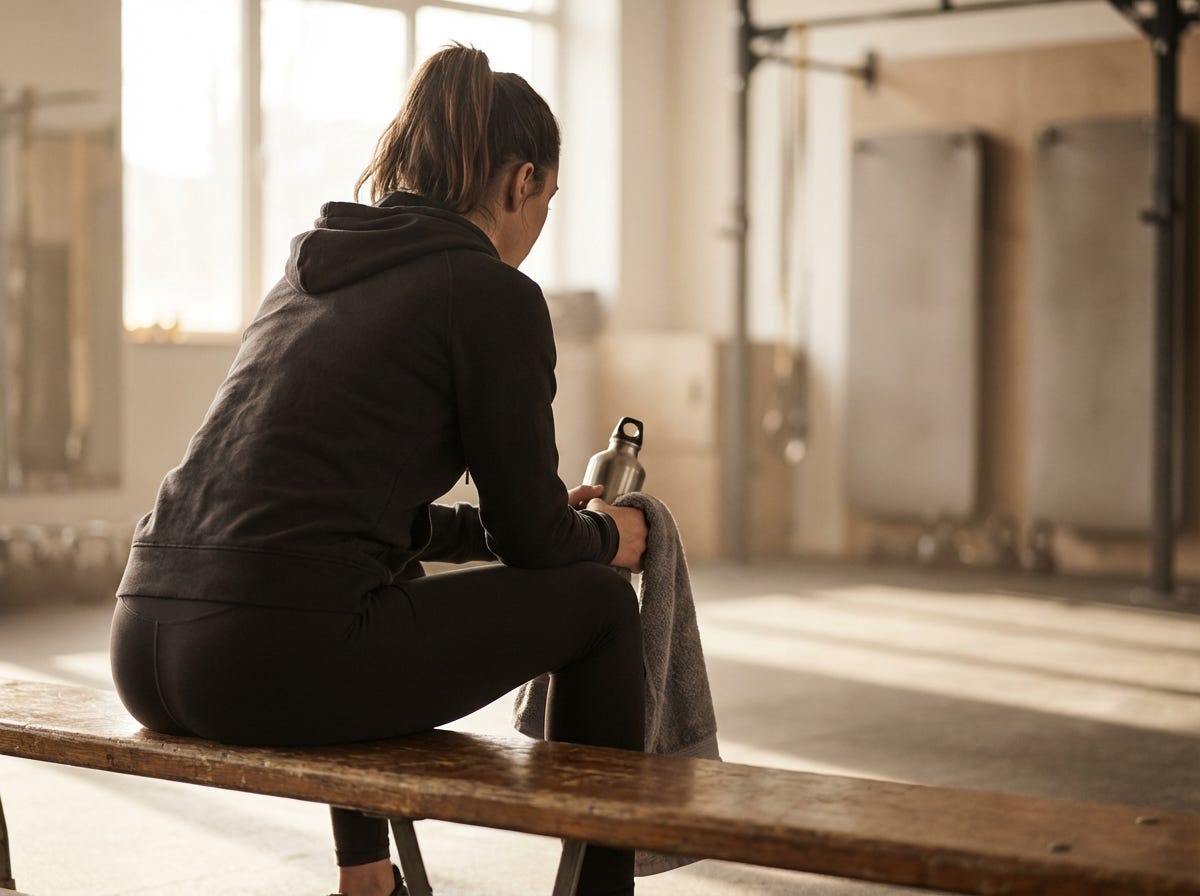
Resilience is not the same as surviving
The term resilience is overused, watered down, and misunderstood.
Kids are not inherently resilient, for example. Adults like to think that, maybe to feel less guilty about the way kids have been treated. The truth is, sometimes humans dissociate for survival. We go numb. We leave our bodies. We do what we have to do to be a little more comfortable in a painful situation.
That is not resilience, although it could lead to future resilience if it is combined with tools like resourcing and healing afterward.
As we grow, heal, and even become wealthier with resources, is it possible that our baseline comfort level also increases?
On one hand, that can be a beautiful sign. Needs being met. More choice. More safety.
On the other hand, it raises a question I keep coming back to.
When does self care and setting boundaries become wisdom, and when does it become an impossible standard?
High maintenance, or just self respect?
“They’re so high maintenance” is a judgment that can come from misunderstanding, frustration, or jealousy.
Someone who seems to take really good care of themselves might be really healthy. They might have developed habits through discipline and outside resources.
But when does self care cross over into standards that are so specific that life starts to feel hard to live inside?
Personally, I would love to be that low maintenance, easy, go with the flow person who travels light, can sleep anywhere, and will eat what is in front of her with gratitude and appreciation.
But I am not.
Recognizing why I felt uncomfortable in my skin as a kid was the greatest gift I could have been given because it helped me understand which environments felt bad and why.
Now that I know, I can make choices ahead of time.
If I find myself in a situation where I am seriously uncomfortable, I get to decide what to do, leave or stay, based on a few questions.
Is this safe?
Is this productive?
Is the outcome worth it?
Will this create growth and help me evolve?
Small experiences of discomfort are generally worth it if we can carry ourselves through with new approaches. This helps us look back and be proud of ourselves.
And when it’s easy, I try to let it be easy.
If we stay in the comfort zone all of the time, we will not have many opportunities to feel courageous. Even the comfort can start to fade, and the beautiful soft surroundings can start to look muted.
My comfort budget
The ideal life for me (now in my 40s) is spending 6 days out of the week with roughly:
65% moderate comfort
20%t mild discomfort
5% extreme discomfort (this creates a lot of stress for me but it passes within an hour)
10% utter bliss or a complete sense of peace
The 7th day does not have extreme discomfort if I can control things. It is a rest day, generally in the moderate comfort zone. I think all of this will change as I age and retire, but I have too much left to do.
What’s one place in your life where you’re craving more ease, and one place where you’re ready for a little healthy discomfort?
Great things to consider.
Flexibility has been a good strategy for my peace. It took years of work to be flexible in most any situation, and still protect my ‘no-go’ zones.
I’ve also learned a pattern; when I ignore my disciplined choices, it’s easier for others to cross my lines… attracting what I put out..
Curiosity also helps. When I feel myself slipping into judgement, about myself or someone else, I pull myself into curiosity. What happened to them?
What happened to me?
Is this really personal or are they being who they are and I’m making it personal?
In most all areas of life I find this easy. And there is always work to do on ourselves in some areas.